
 Assistant
INFJ Door Slam: What It Is and How to Reverse It
 Sophie Caldwell
Summary: This post will explain what the INFJ Door Slam is, why it happens, its signs and triggers, and how to maintain healthy relationships with INFJs.
Ever been abruptly cut off by someone you cared about, leaving you baffled? On Reddit, people are discussing the "door slam"—a silent yet powerful boundary-setting behavior rooted in empathy and self-preservation. Understanding it can transform how you relate to these sensitive personalities.
What is the INFJ Door Slam?
The term "INFJ Door Slam" describes a behavior that INFJs exhibit when they feel deeply hurt, betrayed, or emotionally exhausted. Rather than expressing anger openly, INFJs often silently remove someone from their life as a protective measure. This behavior can be confusing or even shocking for those on the receiving end, but for an INFJ, it is a form of self-preservation.
Understanding the INFJ personality is key to recognizing why this happens. INFJs, also called Advocates, are highly empathetic and sensitive to emotional dynamics. They invest deeply in their relationships, and when their trust is violated, the door slam becomes a way to protect themselves from further emotional harm.
Why the INFJ Door Slam Happens
The Door Slam happens as a protective response when their trust or emotional safety is deeply violated. INFJs are highly empathetic and sensitive, which means they invest deeply in relationships. When their trust is repeatedly broken or emotional needs are ignored, they may feel compelled to cut off contact silently rather than engage in conflict.
Key reasons it occurs include:
- Deep Emotional Investment: They commit fully to relationships. When this investment is met with betrayal or disregard, the door slam is a way to safeguard their emotional wellbeing.
- Sensitivity to Dishonesty or Neglect: They often perceive subtle emotional cues. Lies, manipulation, or repeated neglect can create overwhelming emotional strain.
- Self-Preservation Over Confrontation: Rather than confronting aggressively, they may choose withdrawal to prevent further harm, which can feel sudden or harsh to others.
- High Standards for Authenticity: They value integrity and transparency. Relationships lacking these qualities may prompt a door slam as a boundary-setting mechanism.
In short, the INFJ Door Slam is not about revenge—it is a deliberate act to protect themselves and maintain emotional balance. Understanding these underlying motivations helps you recognize the behavior and approach them with empathy and respect.
Stages of an INFJ Door Slam
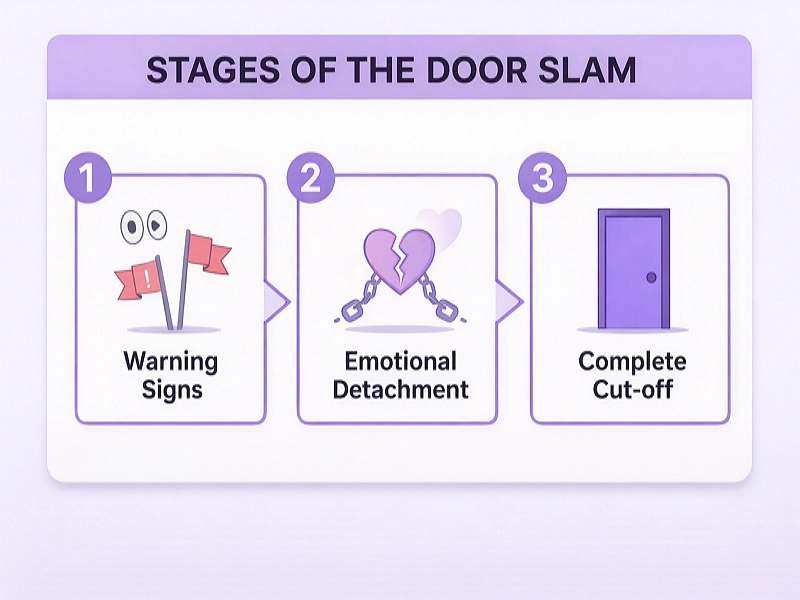
The INFJ Door Slam usually occurs in stages rather than as a sudden reaction.
Stage 1: Warning Signs
Initially, INFJs may subtly withdraw attention. They may respond less to messages, show less emotional engagement, or begin creating psychological distance. These warning signs are often missed because INFJs are careful to avoid unnecessary confrontation.
Stage 2: Emotional Detachment
As emotional tension builds, INFJs mentally detach from the person who has hurt them. They continue to engage outwardly if necessary but have emotionally disengaged.
Stage 3: Complete Door Slam
The final stage is the complete severance of contact. INFJs may block communication or entirely remove the individual from their social circles. This is often done without explanation, leaving others bewildered.
Common Triggers
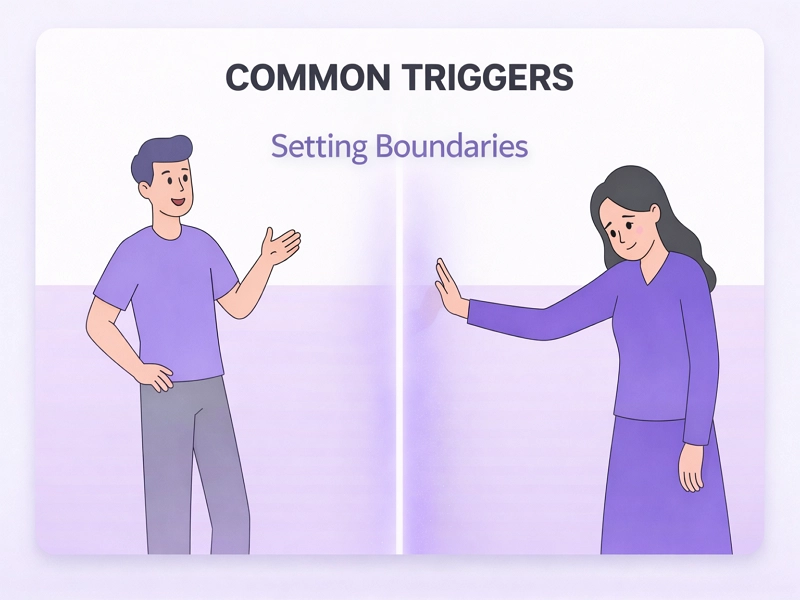
Several behaviors can trigger the Door Slam:
- Betrayal of Trust: They value honesty above all. A lie, betrayal, or breach of confidence can push them toward the door slam.
- Repeated Emotional Harm: INFJs are highly empathetic, but repeated emotional neglect or manipulation can overwhelm them.
- Disrespect or Dismissiveness: Treating an INFJ as insignificant or dismissing their thoughts and feelings can trigger detachment.
Take our 16 Personalities Test to understand personality traits that might influence reactions.
How to Reverse or Avoid INFJ Door Slam
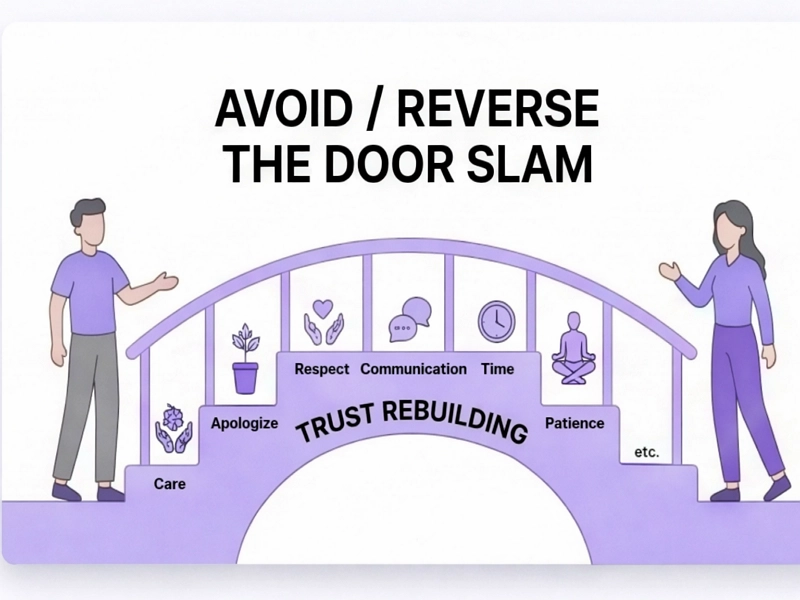
Whether you want to prevent an INFJ from initiating a door slam or hope to rebuild trust afterward, patience, empathy, and respect for boundaries are key.
3 Tips to Avoid a Door Slam:
- Respect Boundaries: Avoid pushing discussions or emotional topics before they're ready.
- Communicate Honestly: Transparency and sincerity strengthen trust.
- Apologize When Necessary: A heartfelt acknowledgment of the emotional impact shows you care.
4 Key Points to Potentially Reverse a Door Slam:
- Reflect on the Breach: Understand what caused hurt or distrust. INFJs value accountability.
- Reach Out Respectfully: Choose a medium they're comfortable with and keep messages short, sincere, and non-demanding.
- Demonstrate Consistent Change: Actions matter more than words. Show genuine respect over time.
- Be Patient: INFJs need time to process emotions; rushing or pressuring them can backfire.
Conclusion
In a word, the INFJ Door Slam is not about punishment but protection. By understanding the underlying psychology and being mindful of boundaries, you can maintain healthy connections with them. Remember, empathy, patience, and honest communication are your best tools for navigating this personality dynamic.
If you want to explore more about INFJ traits or discover your own personality type, go to 16 personalities. For a fun way to complete your full personal profile, Myfunquiz offers entertaining quizzes that give deeper insights into your personality.
INFJ Door Slam - FAQs
1. Is the INFJ door slam unhealthy?
Not necessarily. The INFJ door slam can be a healthy boundary-setting response when someone feels repeatedly hurt or disrespected. However, if used impulsively or without communication, it may prevent growth and resolution.
2. What are the signs of INFJ door slam?
Common signs include:
- Gradual emotional withdrawal
- Shorter or delayed responses
- Reduced vulnerability
- Avoidance of meaningful conversation
These subtle cues often appear before the final cut-off.
3. What is the INFJ door slam like?
For the INFJ, it often feels calm and final rather than explosive. For the other person, it can feel sudden, confusing, and emotionally jarring because INFJs rarely dramatize the process.
4. Is this permanent?
In many cases, yes. Once an INFJ has fully detached, rebuilding trust can be extremely difficult. However, permanence depends on the severity of the emotional breach and whether genuine repair efforts are made.
5. Can an INFJ reverse a door slam?
Sometimes, yes. INFJs may reopen communication if they see genuine understanding, respect, and consistent effort. Give them space and time, and focus on rebuilding trust gradually.


 Laura Bennett
INFJ vs INFP: Key Differences, Similarities, and Relationship Insights
INFJ vs INFP explained. Discover the key personality differences, cognitive functions, relationship compatibility, and how to tell which type you are.