 Assistant
Does Personality Change Over Time? How to Understand and Possibly Change Your Personality
 Laura Bennett
Summary: This article explores whether personality changes over time, and how age, environment, and intentional effort can shape who you are.
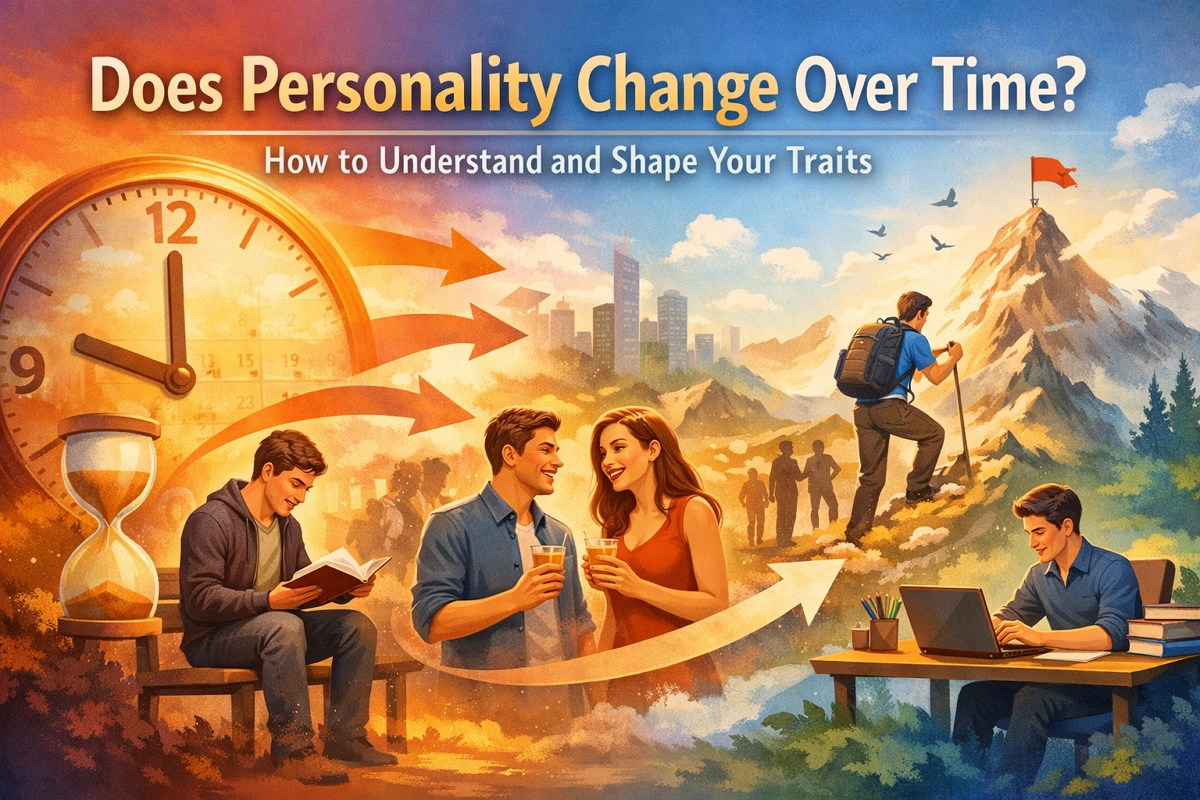
Think about who you were 5 years ago. Would your past self recognize who you are today? From career changes to relationships and personal growth, life constantly shapes us.
So, does personality change over time, or are we stuck with who we are? The answer is more surprising (and empowering) than you might think.
What Do We Mean by "Personality"?
Before exploring how personality can change, it's important to understand what we mean by "personality". In simple terms, personality refers to a set of relatively stable traits that influence how we think, feel, and behave across time and situations.
Two of the most widely accepted frameworks are:
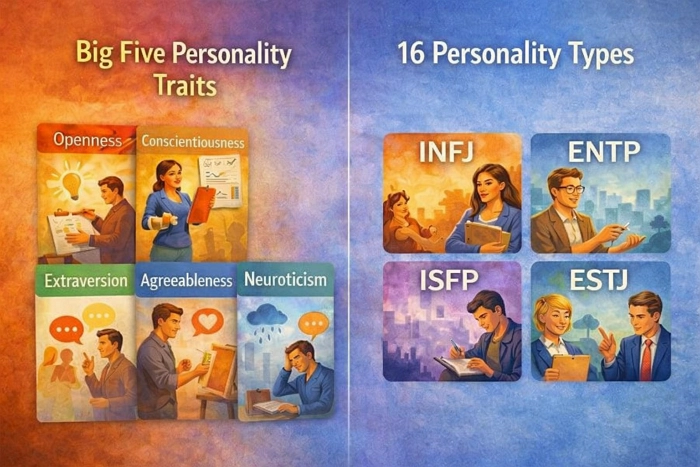
1. The Big Five Personality Traits
| Trait | Characteristic |
|---|---|
| Openness | creativity and curiosity |
| Conscientiousness | organization and discipline |
| Extraversion | sociability and assertiveness |
| Agreeableness | compassion and cooperation |
| Neuroticism | emotional stability vs anxiety |
Modern research often uses the Big Five because it predicts life outcomes like career success, well-being, and relationships.
2. Myers‑Briggs / 16 Personality Types
This model classifies people into 16 personality types (like INFJ, ENTP) based on four dichotomies. It's less predictive scientifically, but highly popular for self‑understanding and growth.
Is Personality Fixed or Flexible?
Many people assume that personality is set in stone, but research and real-life observations tell a more nuanced story:
- Traits are relatively stable, meaning core tendencies often persist over time.
- Life experiences can create subtle shifts, particularly in areas like confidence, empathy, and social behavior.
- Context matters, as personality tests can vary depending on mood, environment, or life stage.
In other words, while your core traits remain recognizable, your personality is not entirely rigid.
💡Note: Your personality traits, measured by tools like the 16 Personality Test or Big Five Personality Test, can shift subtly throughout life.
How Personality Changes Over Time
Personality is not fixed—it evolves gradually throughout life. While core traits remain relatively stable, factors like age, life experiences, environment, and self-reflection can create meaningful shifts. Understanding these influences can help you recognize and even guide your own personality growth.
1. Age and Development
As we grow, personality naturally changes:
- Young adulthood: Traits like openness and neuroticism fluctuate as you explore the world.
- Middle adulthood: Traits such as conscientiousness and agreeableness become more stable.
Example: A shy teenager might become more outgoing after college or entering a collaborative workplace.
These shifts are often gradual, reflecting a "maturity principle"—responsibility, emotional regulation, and social adaptability typically increase with age.
2. Life Experiences
Major life events significantly influence personality:
- Career changes or promotions, or role shifts
- Romantic relationships or breakups
- Personal successes or failures
- Travel, cultural exposure, or major challenges
Each experience influences how we think, feel, and act, gradually reshaping our personality traits over time.
3. Environment (Work, Social, Culture)
Your surroundings play a key role in personality development:
- Learning and Education: Exposure to new ideas enhances curiosity (openness) and adaptability.
- Work and Career: Leadership roles, teamwork, or challenging projects can strengthen traits like extraversion, conscientiousness, and cooperation.
- Social and Cultural Context: Friends, community, and culture influence which traits are expressed and valued in daily life.
4. Tracking Change With Personality Tests
Personality tests help you observe shifts and measure growth over time:
- Tools like the Big Five Personality Test or 16 Personality Test provide snapshots of your traits at different points in life.
- Repeating tests periodically helps track subtle changes and highlights areas for personal development.
💡Note: Test results may vary slightly due to question phrasing, mood, or context, but trends over time can reveal meaningful evolution.
Can You Change Your Personality?
Many people wonder, "Can I change my personality?" or "How do I change my personality?"
The good news is: yes—you can, but meaningful change is gradual and requires intentional effort. While your core traits tend to remain relatively stable, your behaviors, habits, and self-perceptions can be adjusted over months or years through consistent practice, reflection, and real-world experiences.
How to Change Your Personality: Step-by-Step
Here's a practical roadmap for intentional personality growth:
1. Increase Self-Awareness
- Start by taking a personality test to identify your current traits and type.
- Observe patterns in behavior, strengths, and areas for improvement.
- Platforms like MyFunQuiz offer both Big Five and 16 Personality tests for tracking growth.
2. Set Specific Goals
Focus on one trait at a time:
- Extraversion: Join a club, take public speaking classes, or attend networking events.
- Conscientiousness: Use planners, habit trackers, and to-do lists consistently.
- Neuroticism: Practice mindfulness, stress management, and emotional regulation exercises.
Clear, measurable goals make growth achievable.
3. Practice Consistently
Repeated actions reinforce personality shifts:
- Journaling emotions → reduces neurotic tendencies
- Taking leadership roles → boosts extraversion
- Structured planning → strengthens conscientiousness
4. Seek Feedback and Support
- Mentors, coaches, or accountability partners help track progress.
- Social support accelerates change by reinforcing new habits.
5. Be Patient
- Meaningful personality change happens gradually.
- Track progress every 6–12 months with repeated tests.
- Celebrate small wins—consistency is key.
💡 Tip: Combine self-reflection with exercises like journaling or role-playing to reinforce new behaviors.
Common Misconceptions
| Myth | Reality |
|---|---|
| Personality never changes | It changes gradually over time |
| You can completely reinvent yourself | Core traits remain stable, but behaviors can shift |
| Tests fully define you | Tests capture patterns, not the full complexity of identity |
Final Thoughts: Personality Is a Journey
Personality can change over time, influenced by age, environment, and conscious effort. While core tendencies are relatively stable, small, intentional changes are possible.
Explore your personality on MyFunQuiz to see where you start and track your progress over time.


 Sophie Caldwell
International Women's Day 2026: Famous Women and Their Personality Types
Discover the inspiring stories of famous women throughout history and today, from Marie Curie to Malala Yousafzai. Learn their personality types and find out which legendary woman shares your traits this International Women's Day 2026!